

The Dhammapada, a foundational text of Buddhism written in Pali, has been translated into numerous languages by eminent scholars. Among the most notable translations into Sanskrit and English are those by Mahamahopadhyaya Prof. P. Sriramachandrudu and Dr. S. Radhakrishnan.
In the 23rd Canto (Nāgavagga, Verse 332 / 333), we find a celebrated stanza offering profound ethical guidance for society:
“Sukhā matteyyatā loke, atho petteyyatā sukhā;
Sukhā sāmaññatā loke, atho brahmaññatā sukhā.”
This verse yields three deeply complementary dimensions of meaning depending on how the grammatical terms (māteyyatā, pateyyatā, sāmaññatā, brahmaññatā) are interpreted:
                  ┌──► 1. Archana / Worship (Prof. P. Sriramachandrudu)
                  │    "Serving and honoring Parents, Monks, and Brahmanas brings joy."
THREE FOLDS OF    │
INTERPRETATION    ├──► 2. Svarupa / State of Being (Dr. S. Radhakrishnan)
                  │    "Fulfilling the duties of Parenthood, Monkhood, and Brahmanhood brings bliss."
                  │
                  └──► 3. Satsanga / Association (Contextual Application)
                       "Living in close proximity with Parents, Monks, and Wise Scholars brings peace."
Sanskrit Render:
“Sukhā mātrarcanā loke, sukhā pitrarcanā tathā;
Śrāmaṇasyārcanā tadvat, brāhmaṇasyārcanā tathā.”
Meaning: It is a source of joy to serve one’s mother and father. Likewise, venerating a Buddhist monk (Śrāmaṇa) and honoring a Brahmana brings immense spiritual merit.
Societal Context: In ancient times, Brahmanas dedicated their lives exclusively to preserving the Vedas, teaching, and spiritual contemplation without engaging in commercial professions. Despite material hardships, they sustained education and moral order. Lord Buddha explicitly instructed society to support and honor such selfless scholars.
Sanskrit Render:
“Sukhā mātṛtā loke, tathaiva pitṛtā sukhā;
Sukhā śrāmaṇyatā loke, tathā brāhmaṇyatā sukhā.”
Meaning: Motherhood and fatherhood bring profound fulfillment. Similarly, the monk who renounces worldly life finds supreme contentment in societal service and meditation. Finally, attaining the state of a true Brahmana (Vidyananda—the bliss of Vedic knowledge and realization of Paramatman) yields eternal happiness.
Modern Relevance: This interpretation serves as a timely reminder to younger generations who delay marriage or reject family life, emphasizing that fulfilling parental responsibilities offers a unique and sacred joy.
Sanskrit Render:
“Sukhā samātṛtā loke, tathā sapitṛtā sukhā;
Śrāmaṇena sukhā saṅgaḥ, tathaiva brāhmaṇena ca.”
Meaning: Living in harmony with parents brings safety and wisdom to children. Furthermore, seeking the company (Satsanga) of monks and learned Brahmanas provides moral guidance, scriptural wisdom, and peace.
| Point of Analysis | Historical / Scriptural Evidence | Conclusion |
| Vedic Harmony | Buddha explicitly commends the honor, state, and company of a Brahmana. | Buddha was not an opponent of Brahmanas, nor did he seek to destroy Vedic culture. |
| Pre-Existence of Hinduism | The foundational concepts of Vaidika Sanatana Dharma are embedded throughout early Buddhist texts. | The colonial historical assertion that Hinduism arose after Buddhism in the 4th century BCE is factually erroneous. |
| Biographical References | Sir Edwin Arnold’s The Light of Asia documents Buddha’s early life: sacred thread ceremony, Gayatri Mantra initiation by Sage Viswamitra, circumambulating the sacred fire (Saptapadi), and temple offerings. | Gautama Buddha was born and raised within the established matrix of Vedic tradition. |
Whether interpreted as veneration (Archana), the joy of spiritual duty (Svarupa), or the benefit of noble company (Satsanga), this single stanza from the Dhammapada presents an enduring blueprint for a righteous life.
It stands as clear proof that Lord Buddha recognized the sanctity of Vedic wisdom and the vital role of learned, virtuous scholars in preserving societal harmony.
Om Tat Sat.
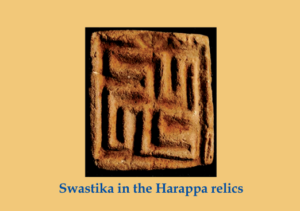
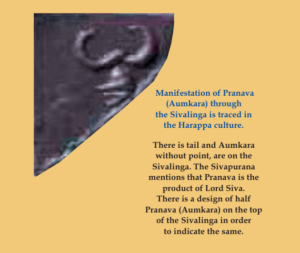
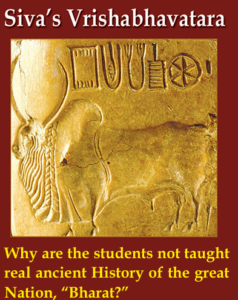
The supreme court gave verdict to the Central Govt stating that Sree Rama was coined Hero because they don’t know the ancient History of the Nation.
Because of lack of knowledge of Indian History They made fake statements that Bharata & Ramayana were coined in 4th century B.C.
That Hindu Religion was also concocted in the same period.
That Aryans came from outside in the 16th century B.C that they killed Dravidas & kiatas, and occupied Bharat. All these are false.
That Andhayuga (Dark age) prevails because of ignorance the above mentioned History.
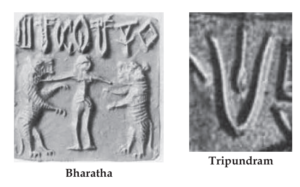
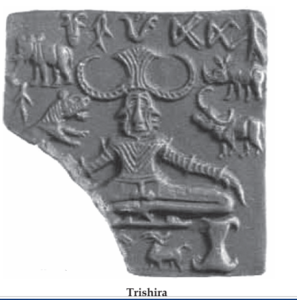
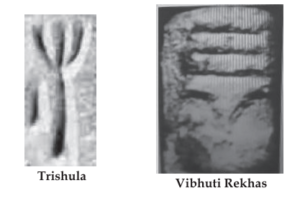
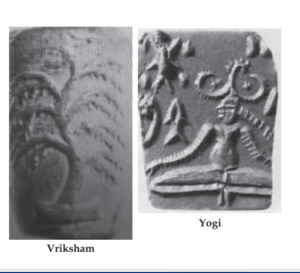
Because of ignorance of the History, the religion of Harappa civilization is not known, as it appears or stated in the Present books.
“This text is complete in all respects.”
Samanvaya Saraswati,
Brahmasree Samavedam Shanmukha sarma
“Is it not a false statement to say that Bharat was never united? Is it real that Hindu religion had its beginning in B.C 4th century and temples came into existence in the 1st century B.C.? Should we accept the words of the Pseudo secularists No, says this authentic and authoritative work of Dr. Siva Ramakrishna Sarma.”
– Emperor of Historical Novels Prof Mudigonda Sivaprasad.
“Chandrasree chandragupta himself – was maurya chandragupta – according to the illusion of Maxmullar. He did not pay heed to the word of Kuppayya Pandita etc. Besides this Kolebrook etc deliberately changed the matter in the inscriptions, they coined artificial history of the Nation on account of that. Dark Period that took place in the ancient Indian History. it has got to be removed. This is dire necessity of the hour. “
– Ravuri Mrutyunjaya Rao
History Professor, Rtd Principal, Palangi