

 Vidyalankara, Parishodhana Pravana, Powranika Pravachana SriSuka, Dharma Sastra Vidwanmani
Dr CHIRRAVURI SIVA RAMA KRISHNA SARMA.
M. A. (Telugu), M. A. (Sanskrit),Ph.D Retd Reader, Visiting Professor to Telugu and Osmania Universities Veda Vedanta Vedartha Pandit
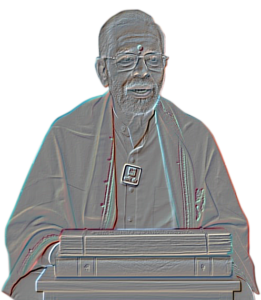
Dr. Chirravuri Siva Rama Krishna Sarma was born on February 14, 1951. He is the son of the late Chirravuri Anantha Padmanabha Sastry—who was a “Vyakarana Vedanta Visharada”, a “Powranika Chakravarthi”, and a lecturer at C B R Govt Oriental College in Eluru, Andhra Pradesh—and the late Subbalakshmi. He was married to the late Rama Krishnaveni.
He has two distinguished brothers: the late Dr. Chirravuri Sreerama Sarma, who was a Vedartha Pandit, Shataavadhani, Meemaasa Pandit, and a Reader at Gautami Sanskrit Vidyapeetha in Rajahmundry, Andhra Pradesh; and Dr. C V B Subrahmanyam, the retired Head of the Department of Astrology at Telugu University in Hyderabad.
 Dr. Sarma has a highly accomplished academic background rooted in classical languages. He earned his Bhasha Praveena from Andhra University, followed by an M.A. in Telugu from Andhra University and an M.A. in Sanskrit from Venkateswara University. He later completed his Ph.D. in Vyakarna from Nagarjuna University.
Over a teaching and research career spanning several decades, Dr. Sarma has held multiple prominent academic positions. He served as a lecturer at Ch. B. Oriental College in Andhra Pradesh for 15 years from 1973 to 1988, where he was subsequently promoted to Reader, serving for another 3 years from 1988 to 1991. Following this, he spent 17 years from 1992 to 2009 as a Reader in Telugu at Andhra Jateeya Kalasala (National College) in Machilipatnam, Andhra Pradesh.
Later in his career, he worked as a Veda Sastra Parishodhaka Panditha at the Viswamitra Maharshi Vedic Research Center in Hyderabad from 2012 to 2013, and has also served as a Visiting Professor to both Telugu University and Osmania University.
Dr. Sarma specializes deeply in higher Telugu grammar within Sanskrit, as well as Alankarasastra (Sanskrit). His extensive traditional knowledge encompasses the study of Sri Krishna Yajurveda, Sayana Bhashya, and Panineeya Vyakarana with Mahabhashya.
Additionally, his expertise spans Advaita Vedanta Sastra (Prasthana Trayam), Mimaamsa Nyaya Prakasha, Bhatta Deepika, and Bhatta Rahasya. He is well-versed in Tarka texts like Tarka Sangraha, Deepika, Nilakantheeya, and Nyaya Muktavali, as well as astrological and literary texts including Kaalamrita, Brihat parasara Hora sastra, Muhurtha chintamani, Alankara Sastra, Kuvalayananda, and Dhwanyaloka. He also specializes in the Ramayana, Mahabharata Itihasa, and the Puranas.
A well-known spiritual orator, Dr. Sarma has delivered numerous speeches and discourses on the Vedas, Vedanta, Srimadraamaayana, and the MahaBharatha. His lectures have been widely broadcast across multiple television and radio platforms, including the Sri Venkateswara Bhakti Channel (SVBC), CVR OM Channel, Pooja TV, Shiva Shakti Sai Channel, Bhakti TV, Hindu Dharmam, All India Radio, Radio Sai, and various YouTube channels.
Over a career spanning 45 years, Dr. Sarma has dedicated himself to delivering profound spiritual discourses and disclosures on epic texts such as the Srimad Ramayana, Mahabharata, and Srimad Bhagavatham. Beyond his oral discourses, he has demonstrated his intricate linguistic and mental prowess by participating in specialized and technical formats of literary performance (Avadhanams), specifically focusing on Netravadhana and Aksharavadhana.
In recognition of his deep erudition and service to education and culture, Dr. Sarma has received numerous prestigious awards across several decades:
Academic Excellence: He was honored with the State Best Lecturer Award by the Government of Andhra Pradesh in Hyderabad during the 1989–90 academic year.
Early Career Distinctions: He received the Seshayya Seva Samithi Puraskara in Uppuluru, AP (1991), the Anantha Narayana Ghanapathi Vedartha Pandit Puraskar in Machilipatnam, AP (2003), and the Andhra Saraswata Samithi Puraskara in Machilipatnam, AP (2004).
Institutional Laurels: His contributions were further celebrated with the Vishishta Vyakthi Puraskara from the Dr. Pattabhi Foundation in Machilipatnam, the Kasinadhuni Nageswara Rao Panthulu Puraskara in Elakurru, and the Sri Janardanananda Saraswati Puraskara in Hyderabad (2015).
Vedic & Cultural Honors: In 2017, he was uniquely honored with both the Sri Sankara Seva Samiti Vishista Puraskara and the Rajya Lakshmi Rama Seva Trust Puraskara in Hyderabad. These were followed by awards from the Sarvartha Sankshema Samithi in Hyderabad (2018), and a joint honor from the Sri Ramanuja Visistadwaita Vedanta Parishat & Sri Kameswari Vaidika Vignana Parishat in Hyderabad (2020).
Recent Accolades: More recently, he was conferred the Sri Dinavahi SuryaNarayana Smaraka Puraskara in Hyderabad (2021), the Sri Kapilavayi Srirama Yagneswara Veda Sroutha Sastra Parishat Puraskara in Bapatla (2021), and the Gidugu Rammurthy Pantulu Jaateeya Jeevana Saaphalya Puraskaram (Lifetime Achievement Award) in Hyderabad (2022).
Distinguished Milestone Awards: In 2023, he received three major honors in Hyderabad: the Potti Sriramulu Telugu University Pratibha Puraskaram, the Rushipeetham Puraskaram, and the Chaganti Koteswara Rao Veda Puraskaram from the Shanta Vasanta Trust.

Dr. Sarma has been decorated with several elite titles by premier religious and cultural institutions:
He was awarded the title of Vidyalankara by the Pushpagiri Sankaracharya Peetham in Hyderabad (1991).
The Fine Arts Academy in Eluru, AP, conferred upon him the title of Parishodhana Pravana (2002).
He was recognized as Jyothirvastu Vignana Sekhara by the Jyothirvastu Vignana Sanstha in Hyderabad (2011).
The Sarvartha Sankshema Samithi in Hyderabad bestowed the title of Powranika Pravachana SriSuka upon him (2018).
He was revered as Dharma Sastra Vidwanmani by the Sri Ramanuja Visistadwaita Vedanta Parishat & Sri Kameswari Vaidika Vignana Parishat in Hyderabad (2020).
Most recently, he was blessed with the title of Sanatha Datta Bandhu by Sri Ganapathi Satchidananda Swamiji of the Avadhoota Datta Peetham in Mysore (2025).

As an active researcher and voice in the global indological community, Dr. Sarma has participated in major academic conferences where he submitted and presented valuable research papers. His academic presentations include contributions at the Viswa Sanskrit Sammelan in Ujjain, the International Sanskrit Conference in Bangalore, and the All India Oriental Conference in Visakhapatnam. Additionally, he has frequently contributed his insights at the All India Veda Sastra Sabhas held in both Tirupati and Rajahmundry.
In addition to his other major academic presentations, Dr. Sarma actively participated and contributed research papers to the International Vedic Conference held in Srisailam, among various other prestigious symposiums.
A prolific author and scholar, his literary output includes writing 28 books and publishing over 225 scholarly articles. Beyond his original compositions, his editorial and linguistic expertise is reflected in the 10 books he has edited and the 28 books he has translated.
Dr. Sarma spent a major portion of his professional career serving as a Reader in the Telugu Department at the Andhra Jateeya Kalasala (National College) in Machilipatnam, from which he has since retired.

Throughout his career, Dr. Sarma has mentored and shaped a long lineage of highly successful students spanning academia, administrative services, and technical sectors, guiding them through deep traditional texts:
Dr. Josyula Kalidas: Currently working as an LIC Officer in Machilipatnam, he studied the Sri Krishna Yajurveda Bhashyam under Dr. Sarma’s guidance.
Dr. Kuppa Nageswara Sastry: Serving as a college lecturer, he mastered Andhra Vyakaranas, Kavishiro Bhooshanam, and Akharavadhanam. Dr. Sastry has gone on to give several successful stage performances showcasing his skills in Aksharavadhanam.
Dr. N. Lalitha Kameswari & P. Rama Kumari: Dr. Kameswari, a Head Mistress at the ZP High School in Hanuman Junction, AP, and Ms. Rama Kumari, a Grade I Telugu Pandit in Kothagudem, AP, both specialized in the rare art of Netravadhanam. Together, they have achieved widespread acclaim, delivering numerous stage shows across Andhra Pradesh, various major cities in India, and the United States.
Sri Aripirala Sitaramayya: A Treasury Officer based in Machilipatnam, he undertook the rigorous study of the Aaaruneya Upanishad Bhashya, Megha Sandesha, and the Saayanaacharya Rigveda Bhashya (covering two Astakas).
Udattu Narayana Rao: Based in Machilipatnam, AP, he dedicated his studies to the Bhagavad Gita Bhashya.
C. Durga Kumar: A Senior Development Engineer at Cognizant Technology Solutions in Hyderabad, he studied the Bhagavad Gita Bhashya, Dashopanishad Bhashya, Tarka Sangraha, Deepika, and the Paatanjala Yoga Sutra Vyakhya.
Anantha P. C.: Working as a Consultant for Verizon Data Services in Hyderabad, he was trained in the Dashopanishad Bhashya, Tarka Sangraha, Deepika, Taittareeya Brahmanam, and two chapters of the Brahma Sutra Bhashya.
Narayana C.: A Technical Manager at Nanyata Software Solutions in Hyderabad, he also completed studies in the Dashopanishad Bhashya, Tarka Sangraha, Deepika, and two chapters of the Brahma Sutra Bhashya.
Kuppa Janardana Ghanapathi: Based in Hyderabad, he studied the Taittareeya Pratishakhya, Vyasa Siksha, Mimaasa Nyaya Prakasha, and two Prasnas of the Sayana Bhashya. He was also successfully guided by Dr. Sarma for his PhD entrance examination.
Dr. C. V. B. Subrahmanyam: A retired Dean from P. S. Telugu University in Hyderabad, he deeply studied Andhra Vyakaranas under Dr. Sarma.
S. Ram Mohan Prasad: He is another notable student who studied under Dr. Sarma’s tutelage and eventually served as the retired Principal of Padmavathi Mahila Kalasala.
S. Ram Mohan Prasad (Continued): Under Dr. Sarma’s guidance in Machilipatnam, AP, he completed the comprehensive study of the first chapter of the Brahma Sutra Bhashya, along with Viveka Choodamani, Arunam, Svadhyaya Brahmanam, and Megha Sandesam.
Samavedam Rama Ghanapathi: Based in Hyderabad, he studied the first three Sargas of Raghuvamsam as well as four Prasnas of the Sayana Bhashyam.
Dedukuri Sri Rama Sarma: Located in Varanasi, he undertook traditional studies focusing on two Sargas of the Sankara Vijayam.
Mylavarapu Durga Prasad & Bh Pavan Kumar Ghanapati: Both based in Hyderabad, they stand as prominent students who advanced their traditional learning under Dr. Sarma’s tutelage.

Dr. Sarma has written an extensive body of work that defends traditional grammar and explores the scientific depths of Vedic literature:
Andhra Munitraya Tatva Darshanam (Parts 1 & 2): Published in Telugu, the first part of this work serves as his doctoral thesis, for which he was awarded a Ph.D. from Nagarjuna University in 1988. The book systematically addresses and counters allegations leveled against classical texts such as Andhra Shabda Chintamani, Vikriti Vivekam, and Kavishiro Bhooshanam. He further expanded this academic defense in the second part of the title.
Shruthi Sourabham (Part 1): Published in Machilipatnam in the year 2000, this Telugu volume has also been translated into English. It presents groundbreaking insights, arguing that Vedic culture is inherently present within the Harappa culture, proving that the word ‘Ganga’ is strictly of Sanskrit origin, and outlining the decipherment and reading procedures of Indian pictorial script (chitra lipi).
Shruthi Sourabham (Part 2): Also published in Machilipatnam in 2000, this volume explores secular and scientific elements embedded within the Vedas, including agricultural science, mathematical tables, the usage of medicines, astrology, and the noble status accorded to women. Additionally, it details the traditional methods used to memorize the Vedas, synthesizes Taittareeya and Panineeya swaritha lakshanas, and analyzes the scientific concepts found in the Sarwasaara Tatvopanishad.
Shruthi Sourabham (Part 3): Published in Hyderabad in 2017, this part demonstrates that the Vedas contain advanced knowledge regarding Earth’s gravity, the Pranava (Om), ancient scripts, the history of the number zero (‘0’), and the core essence of the three primary Vedas. It connects proofs of Hindu Dharma to the mid-heaven (Anthariksha), explaining the cosmic significance of Soma, the celestial Shiva Linga (Khagola), and the Shishumaara planetary constellation. Dr. Sarma highlights that deep-space photographs captured by NASA and the European Space Agency (ESA) mirror these exact Vedic descriptions of the Shiva Linga, Shishumaara, and Pranava.
Vaidika Dharma Satyardha Prakasham (2013): Published in Telugu through the Sivananda Supatha Foundation in Bheemunipatnam, Vizag, this highly acclaimed book earned the blessings and praise of Jagadguru Bharathi Teertha Swamy of the Sringeri Sharada Peetham. It was officially published by the Saiva Peethadhipati, Sadguru Sivananda Murthy, and has since been translated into both English and Hindi.
Rigvedaniki Raahul Grahanam (2010): Published in Machilipatnam, this scholarly Telugu work received high praise and recognition from Sadguru Sivananda Murthy, among other notable spiritual luminaries.
Aacharanam – Aarogyam: Published in Telugu in Machilipatnam, this work outlines the code of conduct and daily practices necessary to maintain optimal health according to the principles of Ayurveda.
Kalapoornodaya Saptanga Sabha (2007): Published in Machilipatnam, this book analyzes the traditional concept of a meeting’s seven limbs (Saptanga), which includes the Chairman, Singer, Scholar (Vidwansa), Vandi Maagadha, Poet, and Humorist. Dr. Sarma details how the classic epic Kalapoornodaya expertly structured these seven elements long before the western concept of a “novel” emerged.
Panchadasa Karmalu (2002): Published in Telugu through the Mouna Prabha Patrika in Guntur, AP, this text provides an in-depth explanation of traditional Sanskaras (sacred rituals) spanning from Garbhadana (conception) to marriage. It highlights the modern neglect of essential rituals like Jaata Karma and emphasizes their cosmic and physiological necessity.
Telugu Bodhana Paddhatulu: Released as a specialized text for the Diploma in Education (D.Ed.) curriculum by Victory Publishers in Vijayawada, AP, this volume presents structured methods for teaching the Telugu language using established educational and psychological sciences.
Bhaashabhivridhi (2007): Published in Machilipatnam, this book serves as a comprehensive study of the Telugu language, examining its various regional dialects, the historical influence of other languages on its structure, its development across prose, poetry, and drama, and its formal role as an official state language.
Bilvadalam (1996): Published in Machilipatnam, this biographical and theological text explores the history of Gandikota Subrahmanya Sastry, a revered Vedardha scholar, poet, and court pandit (Aasthana Pandita) of the Vijayanagara Samsthana. The book prominently describes the Sai Gayatri Mantra composed by Sastry.
Ilayya chesina Apanindalu – Parisheelam (2017): Published in Telugu by the Jyothirvastu Vignana Samstha in Hyderabad, this work acts as a systematic academic rebuttal to the essays and books authored by Prof. Kancha Ilayya, directly addressing his critiques of the Vedas, Lord Rama, Lord Krishna, Mahatma Gandhi, Pandit Nehru, traditional societal structures, Brahmanas, and Vysyas.
Vyraagyam (1980): Written in Sanskrit and published in Mumbai, this text distills the core essence of Vairagya (the absence of worldly desires) as presented across the vast commentary of Sri Sankaracharya. The work was formally honored with an award from the Sri Kanchi Kamakoti Peetham.
University Astrology Textbooks: Dr. Sarma authored twelve distinct instructional lessons for the M.A. Astrology Distance Education manual for P.S. Telugu University in Hyderabad. He additionally contributed four foundational lessons on Vedic Astrology for Osmania University’s distance education textbook.
Upanishad Sudhalahari (2000): Published in Hyderabad by the cultural organization Yuvabharathi, this volume provides an accessible, comprehensive introductory review (Samiksha) of 98 different Upanishads.
Satya Sai Saptanga Sabha (1999): Published as a special souvenir by the Sri Sanaathana Bhagavatha Bhakta Samajam, this script formats the unique divine traits and attributes of Sri Satya Sai Baba into a classical theatrical drama.
Manishi lo Manishi (2007): Published as a featured script in the Sunday Magazine of the Vaartha daily newspaper on August 19, 2007, this dramatic play revolves around the philosophy that a society’s outer problems can be resolved once an individual identifies and connects with their inner conscience.
Atharva Veda Parichayam (2021): Published in Hyderabad under the Sukruthi banner, this book serves as a formal introductory guide to the structure and hymns of the Atharva Veda.
Charitra Erugani Mahapathakam Mana deshaaniki Pattinade (Parts 1, 2, & 3): This multi-volume historical project details how the true history of ancient India has been neglected or obscured. Part 1 introduces the thesis using 119 pieces of historical evidence; Part 2 expands on this foundation with 165 documented proofs; and Part 3 (in print) compiles an extensive list of 445 cross-verified evidences.
TTD Publications: Dr. Sarma authored Puraanaalu – Parisheelanaamshaalu, an analytical exploration of the Puranas published by the Tirumala Tirupathi Devasthanams (TTD). His book Arsha Vignanam is also scheduled for printing under the TTD banner, alongside his descriptive text titled Linga Purana Parichayam.
Utilizing his textual expertise, Dr. Sarma has edited, compiled, and restored several rare manuscripts, poetry collections, and classical scriptures:
Sai Veda Bharathi (2012): Published in Telugu by the Sri Satya Sai Ghandikota Subrahmanya Sastry Veda Sastra Parishad in Hyderabad, this volume was written, compiled, and edited by Dr. Sarma to provide clear answers to 32 complex spiritual queries concerning the Vedas, Puranas, and Itihasas.
Andhra Kaavyarna Vodupam (2012): Published through the Andhra Pradesh Manuscript Library Research Center in Hyderabad, this project involved the meticulous text-editing, refinement, and preservation of a rare 17th-century palm-leaf manuscript dedicated to classical Telugu grammar.
Stutyanjali (2007): Printed in Machilipatnam through the Rama Krishna Seva Samithi, this work involved the careful editing and structural refinement of devotional poetry.
Asoucha Saaram: Dr. Sarma edited and refined this foundational Dharma Sastra text, which features both Telugu and Sanskrit linguistic elements, printed out of Machilipatnam.
Chaitanyalahari (2014): Published in Hyderabad under the Chaitanya Bharathi banner, this book is a compiled and edited collection of classical Telugu poems.
Dhanyoham: Published in Telugu, this work charts the biography and spiritual lineage of Sri Trivikrama Ramananda Bharathi Swamy of Mallayi Chitturu in the Krishna District of Andhra Pradesh.
Sanksriti Sourabham (1998): Published through the Gayatri Peetham in Machilipatnam, this Telugu book serves as an edited compilation tracking the defining core traits and pillars of Hindu culture.
Panditha Tapasvulu (2015): Released in Hyderabad by the Jyothirvastu Vignana Samstha, this volume features biographies written and edited by Dr. Sarma that detail the lives of several ascetic scholars who balanced intense penance with intellectual vigor.
Karunasri Bhavodyanam (2013): Released through Chaitanya Bharathi in Hyderabad, this Telugu title contains essays and poems composed and edited in honor of the great poet Mahakavi Karunasri.
Brahma Vidya Vyasangam: This volume aggregates, arranges, and edits the highly philosophical speeches and spiritual discourses delivered by Swami Satchidananda Saraswathi.
Dr. Sarma has translated several ancient texts, hymns, and modern commentaries into fluent Telugu, often supplemented with his personal scholarly commentary:
Atharva Veda Translations: Commissioned by the Tirumala Tirupathi Devasthanams (TTD), he translated the entire 18th Kanda (published in 2017) as well as the first and second parts of the 20th Kanda (both published in 2012).
Sukta Translations: He translated the Sri Sukta, Purusha Sukta, and Mantra Pushpa into Telugu, which were collectively published by the Sri Dattatreya Ashram in Vijayawada.
Sri Datta Shodashaavatara Vrata Kalpa – Shodashaavatara Charitra (2005): Originally written in Sanskrit by Sri Vasudevananda Saraswathi (Tembe Swamy), Dr. Sarma translated this text into Telugu for publication by the Sri Avadhuta Datta Peetham in Mysore.
Gayatri Rahasyopanishad: This hidden text was edited and translated into Telugu before being published by the Gayatri Peetham in Machilipatnam, AP.
Vishnu Sahasra Naama Stotra: His fluent Telugu translation of the thousand names of Lord Vishnu was serialized and published by the Sai Maharaj Magazine in Machilipatnam.
Naalugu Sastra Charchalu (2015): Prompted and encouraged by Sringeri Jagadguru Sri Bharathi Tirtha Swamigal, Dr. Sarma translated the original Hindi text Chaar Sastraarth by Pandit Madhavacharya into Telugu. It was published by the Jyotirvastu Vignana Samstha in Hyderabad.
Uddhava Gitalu (1996): He translated the highly philosophical 11th Skandha of the Srimad Bhagavatham into Telugu, which was featured in the Sai Maharaj Magazine in Machilipatnam.
Atmanaatma Vivekam (1984): He translated the original Sanskrit text authored by Sri Adi Sankaracharya into Telugu, which was published in Hyderabad by the Swadharma Prakashini Magazine.
Prasnottara Ratna Malika (1993): He translated this Sanskrit work of Sri Adi Sankaracharya into Telugu, complete with an explanatory commentary. Initially published by the Sri Sankar Matt in Machilipatnam, it was later reprinted by the Sri Sarada Sankar Matt in Mothi Nagar, Hyderabad.
Sri Sankara Mandana Mishra Samvadam (1995): He translated the legendary debate from the Hindi text Maadhaveeya Sankara Vijayam into Telugu, which was published by the Sri Sankara Kripa Magazine in Hyderabad.
Mahabharata Translations: He translated 10 critical chapters (Adhyayas) of the Virata Parva (published in 2005) and 10 chapters of the Udyoga Parva into Telugu, both published by the Gita Press in Gorakhpur.
Aditya Hridayam (1997): Taken from the Valmiki Ramayana, he translated this solar hymn into Telugu alongside an exhaustive textual commentary, published in Machilipatnam.
Moorkha Satakam (2010): This translated volume of moral verses was published in Telugu by the Sri Vani Magazine in Machilipatnam.
Chintamani Stotram: Dr. Sarma rendered this devotional stotra of anonymous original authorship into accessible Telugu.
Purana Tatva Darshanam: He undertook the massive translation of an 800-page defensive text written by Pandit Madhavacharya that addresses and untangles modern criticisms directed at the Puranas. This translated volume received warm praise from Sringeri Jagadguru Sri Bharathi Tirtha Swamigal.
Veda Suktas (2017): He compiled and translated 15 highly important Suktas chosen from across three Vedas into Telugu, published under the auspices of the Tirumala Tirupathi Devasthanam in Tirupati.
Sri Sankaracharya Astottara Shatanama Parayana Vidhanam (2017): Published by T. Suryanarayana Rao via the Sringeri Sankara Matt in Hyderabad, this book offers a detailed Telugu translation and practical commentary on the Sanskrit names of Adi Sankaracharya.
Advanced Commentaries and Papers: His other major translations include his textual commentary on the Sanskrit text Aparnastavaha, a translation of Veda Vedanga Nivedanam, a translation of the 11th-century text Adbhuta Sagaram (Part 1, in print) by Vallala Sena (published by Sri Kuppa Venkata Krishna Murthy in Hyderabad), and Aidu Sastrarthamulu, which was translated from Hindi under the guidance of the Sringeri Jagadguru. He also translated and analyzed Bhakta Kamadhenuvu, Arya Geethi Sahasram, a commentary on the Sanskrit text Srimath Devaki Nandanashrama Vijayam, and the handbook Laksmi Narayana Pooja Vidhaanam.
He translated the Bharatha Savitri into Telugu, published in Machilipatnam in 2010.
In 1998, he translated the Sanskrit verses of Panchadasi written by Sri Jayendra Saraswathi Swamy for the Sankara Math in Machilipatnam.
He translated Sri Adi Sankaracharya’s Bhagavanmaanasa Pooja Stotra for the Sanga Veda Pathasala in Machilipatnam.
He published a Telugu translation of the Sri Ganeshastakam through CVNL Prasad in Machilipatnam.
He translated the code of righteous conduct as outlined in the Vishnu Purana (Sadaacharam), published in Kesanakurru, AP, alongside his paper titled Satpravarthanam.
Dr. Sarma has written and broadcasted hundreds of research papers and educational essays across radio and print media:
 On April 10, 1983, he delivered a Sanskrit lecture titled Samskutha sankhya sankhya, explaining the concepts of the largest numerical counts found in ancient Sanskrit literature.
On May 27, 1984, his article Vishkambhaka pravesakau was broadcast, explaining the dramatic and metaphorical functions of the Vishkambhaka and Pravesaka structural interludes in classical plays.
He broadcast Dasakumara charithe kathaakathana kousalam on June 10, 1984, proving that the poet Dandi composed the Dasakumaracharitra to practically demonstrate the various storytelling typologies outlined in his own grammatical work, the Kavyadarsa.
His creative short story (Kathaanika) titled Matrubhoomermandahasaha was broadcast on January 25, 1987.
He delivered an analytical review of literary appropriateness on August 5, 1987, titled Kshemendrasya auchitya vichara charchaa samiksha.
On June 26, 1988, he broadcast Samskruthe saahitya silpa sameekshanam, providing a concise breakdown of the classical Alankaarika rhetorical and aesthetic systems.
He explained the exact methodology used by ancient scholars to memorize immense texts without textual aids in his June 4, 1983 broadcast, Sastra dhaarana paddhatihi.
He formally introduced the Brihadaranyaka Upanishad to listeners in his talk Bruhadaaranyaka parichayaha on July 6, 1983.
He presented a literary review of classical love poetry titled Amaruka sataka sameekshanam on February 8, 1989.
His Telugu essay Chatushashti maayalu detailed the 64 worldly illusions described by the polymath Kshemendra.
His additional spiritual radio broadcasts include the Sanskrit articles Kshamaika saanthiruttama (February 1, 2009), Sookthi sudhalu (November 2004), a series of structured Samskrutha pathaalu (Sanskrit language lessons), and Vedokhilo dharma moolam (September 29, 2009).
 Gaavo viswasya mataraha (1981): Published in Eluru for the Dharma Sammelana Edition of the Vishwa Hindu Parishad, this article highlights the spiritual and ecological status of the cow in Indian tradition.
Kalalu – Phalaalu (1990): Featured in the Jyothisha Vijnana Patrika out of Rajahmundry, this article addresses astrological configurations and their practical outcomes.
Baala Ganapathiki akshara silpaalu (1990) & Charitrakekkina Charitra (1991): Both research essays were published in the cultural journal Ratnagarbha in Eluru.
Yatichandruni neeli vennelu (1992) & Punnami chandrudu, Poornima (1992): These philosophical and literary evaluations were featured in the publication Gopikrishna in Eluru.
Cultural and Festival Analysis: Dr. Sarma published specialized essays on the inner significance of festivals in Ratnagarbha, including Vijayadasami vaisishtyam (1991), Deepamu nundi deepamu (1991), and Sankranthi Panduga (1992).
Vruddhapyamulo adhyatmikata (2000): Published in a special silver edition for the Andhra Bank Retired Officers Association, this essay addresses the psychological and spiritual necessity of anchoring oneself in spirituality during old age.
Manavatvam (1986): Published in the spiritual journal Mumukshuvu in Eluru, this piece explores the concept of spiritual humanism.
Jyotissula prabhavam – Rogalu, Jyotirvaidyam (2010): Released by the Jyotirvaastu Vijnana Samstha in Hyderabad, this paper bridges astrology and traditional wellness, studying planetary influences on human medical ailments.
Puraanaalu pourusheyaala? (2010): Featured in the Sri Raja Rajeswari Patrika in Rajahmundry, this critical essay debates whether the Puranas are of human origin or divine compilation.
Intellectual Heritage Articles: He wrote Bharatheeya jnana bhandagaramu for the Janasri journal in Hyderabad (1999) and published Amaravani and Ramayanamulo antarartham via Gurusaisthan in Machilipatnam (1993), the latter uncovering the esoteric meaning behind the Ramayana.
Sivalingam – Sisna devudu kaadu (2010): Published in the monthly journal Rushi Peetham in Hyderabad, this research article clarifies common linguistic misconceptions, proving textually that the Shiva Linga does not represent a phallic symbol.
Purana Reviews: He wrote extensive reviews for the Jyotisha Vijnana Patrika in Rajahmundry, covering the Devibhagavatha Sameeksha (January 1994) and the Vishnu purana Sameeksha (July 1994).
Telugu lipiki samskaram kaavaalaa?: In this linguistic essay, Dr. Sarma proposes a structural reform for the Telugu writing system by optimizing it around 43 distinct script symbols.
Moodu suswagathala muchatlu (1983): Published in Samalochana in Rajahmundry, this grammatical article defends the structural validity and proper usage of the word “Suswagatham”.
Dharana kala (1984): Presented at the Saraswathi Vidya Peetham Conference and published in Sphoorthi, this paper explains the complex mental architecture behind performing the Aksharavadhana literary feat.
Chandassamiksha (1988): Submitted to the St. Theresa’s College Conference in Eluru and published in Samalochana, this extensive study reviews the historical evolution of Telugu and Sanskrit poetic meters (Chandas) from the Vedic era to modern times.
Samskrutha sankhya vachakaalu enduku vaadakoodadu? (1982): This analytical essay on the benefits of using traditional Sanskrit numerical adjectives was featured in the Andhra Patrika.
Creative and Literary Pieces: He published the cosmic essay Viswachitram telipe vichitram in Rushi Peetham (2010), alongside short stories like Simhendrudu edurayithe (2003) and Maatruprema (2005) in the anthology Bandaru Kathambam in Machilipatnam.
Vedic and Historical Essays: He presented Veda vangmayam at the Veda Sastra Parishat Amrutotsava Edition in Rajahmundry (2012) and analyzed the inner truth of epic stories in Souparnopakhyanam – paramartham for the Mahabharatha Vaijayanthi in Guntur.
Sacred Geography and Timing: He explored local spiritual history in Krishnaveni pushkara mahatmyam and Pushkara Godavari (2003) via Bhavatarangini in Machilipatnam. He also clarified the rules regarding marriages, thread ceremonies, and conception rituals during the Pushkara holy year in his essay published in the Jyothisha Vijnana Patrika.
Tradition and Master-Disciple Dynamics: He authored Sanathana dharmam – Aatma gunamulu for Sai Maharaj (1993) and published Hindu sampradayamu – Guru sishya sambandham in Eluru (1981), tracking the sacred teacher-student dynamic.
Mahabharatham – aneka kartrutva vadam (2004): Published for the Veda Parishat edition in Guntur, this research paper counters the western academic theory that claims the Mahabharata was written by multiple random authors.
Sai Philosophy Essays: He penned several articles for the journal Gurusaisthan, including Baba leelalu (March & April 1994), Vijayasai (1995), Shirdi sai avatara tattvam (1996), Sai sadguruvu (1996), and Vedartha avagahanaku yogeeswara charitra pathinchali (1996), which argues that studying the lives of great yogis is key to understanding the Vedas.
Horticulture and Linguistics: He wrote Poojaku sobhaniche pushpalu on the ritual status of different flowers for the Vaartha daily (2005), and analyzed the unique status of the language in Bharatheeya bhaashalalo telugu prathyekatha (2006).
Festivals and Scriptural Integration: He published Dasar mahotsavamulu in the Sri Rajeswari Patrika (2009), wrote Satabdi jyothi for Sai Maharaj (1994), and contributed structural articles on Chandassu and Kalpamu for the scriptural compendium Veda Kalpadrumam in Poduru.
Advanced Theological Studies: His works include Rasakrida, Rasa leela vaibhavam for the Maha Vidya Peetham in Dundigal (2014) and Veda purana Samanvayamu, written for the Centenary Edition of Sri Gayatri Peethadhipathi Sri Vidya Sankara Bharathi Swamy (2014).
Mono-Actions and Plays: He authored theatrical mono-act plays published in Mumukshuvu, including Virahini Radhika (1984) and Vaalmiki vyasa kaalidaasulu (1987), along with cultural essays like Guru Gouravam (1986) and Paramahamsa pada sannidhilo (1988).
Societal Peace and Global Harmony: He wrote Vedalu – Jeevana vidhanam, Mukthi, Prapancha santhi for the Hindu Dharma Prachara Samithi (2006), detailing how Vedic living leads to global peace. He also published Dharmamu – Gamyamu in the Jyothisha Vijnana Patrika (1988).
Skanda and Kurma Purana Chronological Reviews: Between 1988 and 1989, he published a four-part systematic breakdown (Purana Samiksha) tracking the Maheswara Khandam, Vaishna Khandam, and general sections of the Skanda Purana, alongside a separate comprehensive study of the Kurma Purana, all carried by the Jyothisha Vijnana Patrika.
Biographies and Local Histories: He preserved history in Gunturu velugu Gurunathulu for Swadharma Prakasini (1989), paid homage in Sri sankara sannidhilo for Ratnagarbha (1982), and wrote a series of instructive short stories (Kathaanikas) including Melukolupu (1986), Ugadi vachesindi (1984), and Kanumarugayina Kalpavruksham (1986).
Final Miscellaneous Publications: His final listed papers include Manava kalyanam – Geetha sandesam for the VHP in Eluru (1980), Bandarulo adhyatmika vikasam in Srivani (2004), Vasucharitra parichayam, Andhra pancha kavya parichayam (1997), Yogajyothisham-Bhaaratheeyam for Jyothirvaasthu Vijnanam (2005), the short story Vaiphalyam in Vaartha (2006), Vedokta hrudayam in Srivani (2001), a biographical tribute titled Paramahamsa parivrajakacharya janardanananda saraswathi swami (2005), and Harappa samskruthilo vaidika samskruthi (1999). He concluded his written articles with Mahadevudu (2006), the short story Guhalo veluthuru (2007), Mahasivarathri for Telugu Vidyarthi (2006), an astronomical argument titled Oke paddhathi panchangam avasaram in Bhavatharangini (2006), a tribute titled Keerthi seshulu Sri Gurajada Raghava Sarma garu (2004), Telugu vakyam, Teeru tennulu in Samacharam (2000), Charitraku ekkani charitra in Hindu Nagaara (2006), Bhakthi lakshanam for the Prasanthi Nilayam Souvenir (1999), Bhagiratha prayatnam (2007), Atirudra mahayaga prasastyam (2006), the sociological study Upaveetha vijnanam (1998), a Sunday special feature titled Jagadrakshaki, Jagajjanani, Jagadamba for Vaartha (2004), and a medical tribute titled Vaidya tapaswi in Bhavatharangini (2005).
Sacred Festivals and Ritual Practices: He explored local traditions in Karthika vratam, published in Bhavatarangini in Machilipatnam (1997). He also penned a Sunday special feature for the Vaartha daily newspaper in Hyderabad titled Atmaroopame deepa jyothi (November 7, 2004), and evaluated life pursuits in Chaturvidha purusharthaalu for Srivani (January 2005).
The Chronology of Sanskaras: For the journal Maunaprabha in Guntur, Dr. Sarma wrote a comprehensive, multi-part series detailing individual life-cycle rituals (Sanskaras). This included Panchadasa karmalu (January 2002), Garbhadanam (February 2003), Seemantham & jata karma (March 2003), Namakaranam (April 2003), Annaprasanam (May 2003), and Choulam (June 2003).
Theological and Astrological Philosophy: He analyzed divine grace in Dayaleela, published within the anthology Bhava kusumanjali in Machilipatnam (1998). His detailed handbook Sandhyavandanam was published through Kadiyala Venkata Subbalakshmi in Tanuku. He contributed Advaitha Vedanta saram to the compilation Samskrutha vangmaya vaibhavam (2001) and linked astrology with scriptural roots in Vedamlo jyothisham for Pushkara kiranam (2000).
Vedic and Spiritual Commentary: He authored Sajeeva vedaganga for Brahmana sarvaswam in Srisailam (1998), wrote the spiritual essay Dagudumootalu for Sanatana sarathi in Prasanthi Nilayam, and honored elders in Shashtyabdi santulu for Srivani (April 2005). He also described local folklore and worship in Nagula chavithi visishtata for Bhavatarangini (November 2001).
Monographs on Saints and Manuscripts: He profiled an ascetic scholar in Yogi, Brahmananda saraswathi swami for Srivani in Machilipatnam (June 2007). He also published a rigorous textual review titled Andhra kavyarnavodupa samiksha through the A.P. Government Oriental Manuscript Library and Research Institute in Hyderabad (2014).
Devotional and Critical Literary Works: He published Varalakshmi vratam in Sri sankara krupa (August 2011), analyzed cosmic forms in Viswa virat swaroopam for Srivani (November 2004), and celebrated a major milestone in Saichandruni sahasra Chandra darsanam for Srivani (November 2008). He paid homage to Adi Sankaracharya in Sankarassankarassakshat (April 2009) and offered a sociological critique on the future of the language in Upeksha veedithene telugu bhavitha, featured in the Palapitta monthly in Hyderabad (February 2010).
Festival and Epic Analyses: He published a two-part historical breakdown titled Dasara mahotsavamulu for the Sri Raja Rajeswari monthly in Rajahmundry, with parts appearing in July 2009 and September 2009. He emphasized the relevance of scriptures to modern youth in EE taraniki varam Bhagavadgeeta, featured in the Vaartha Sunday magazine (November 20, 2009), and offered textual commentary in Srimadbhagavadgeeta tatparyam for the Veda Parishad edition in Guntur (2009). He also authored the epic breakdown Dasarathuni sapavruttantam.
Educational and Specialized Texts: Dr. Sarma wrote pedagogical explanations for two specific lessons covering Atma nivedanam for an Intermediate 2nd-year student guide published by Sri Raghavendra Book Links in Vijayawada (2009). Concurrently, he composed official instructional lessons for the M.A. (Jyotisham) curriculum for Osmania University’s Distance Learning program (2009).
Palmistry, Priesthood, and Advanced Vedic Studies: He examined hand analysis in Hasta prasasti, published in Jyotirvastu Vignanam in Hyderabad (August 2012). For epic character analysis, he contributed Mahabharata Draupadi Vysishtyam to the Veda parishad sanchika in Guntur (2010) and penned Andhra bharataavatarika for the Sri Rajeswari Patrika in Rajahmundry (June 2009). He elevated traditional priesthood in Pourohityam – Aunnatyam for the 42nd annual edition of the Vaidika Dharma Pravardhaka Sangham in Machilipatnam (2003) and published the liturgical breakdown Punyaha vachanam vivaranam in Machilipatnam.
Final Academic Papers: He analyzed astrological symbolism in Vichitra ratha vahakalu for the Jyotirvastu Vignanam patrika (September 2014). He provided a major critical review of traditional translation methodology in Dayananada saraswati swamy – Rigveda bhashyam, published by the T.T.D. in Tirupati (2014). He also published Andhra kavyarna vodupam sameeksha in the Vignana Saraswati Patrika via the Government Oriental Manuscript Library and Research Institute (2014). Finally, he concluded his extensive collection of articles with a treatise on divine aesthetic pastimes titled Raasa kreeda, Raasa leela vibhavam, published through the Mahavidya Peetham in Hyderabad (2014).
Vedic Philosophy and Global Peace: He contributed the essay Vedalu, Jeevana vidhanam, Mukthi to a spiritual travel souvenir published by the Hindu Dharma Prachara Samithi of Andhra Pradesh in 2006, highlighting how Vedic living leads to global peace. He also documented historical lineage in Jagadguru sankaracharya sannidhi lo, featured in Sri Sankara Krupa (May 2011).
Social and Philological Critiques in Andhra Prabha: Over a prolific period writing for Andhra Prabha, Dr. Sarma analyzed yoga philosophy in Yogamu chitta vrutti nirodhakamu (July 21, 2017), addressed grammatical and almanac corrections in Havilambi padam tappa? (April 7, 2017), and linked traditional cleanliness to national movements in Deepavali lo Swachha Bharath (October 28, 2017). His additional pieces in the daily include a biographical tribute to a Hindu leader titled Viswa Hindu bandhuvu Jatavallabhula (October 23, 2016), a festive special titled Divya Deepavali (October 15, 2017), a defense of active leadership in Kaarya kartaye karta (April 10, 2017), an evaluation of social unity during holy rivers festivals titled Jateeyata bhaavam penchina pushkaralu (July 26, 2017), and a collaborative tribute titled Pandita dwayaniki jayantyutsava nivali (June 25, 2017).
Theological and Scientific Rebuttals: Writing for Andhra Prabha, he presented a critical analysis contrasting biological evolution with divine descents titled Avataralaku jeeva parinamaniki polikekkada? (June 25, 2017). He also published the scriptural commentary yam pravrajantamanupetam in the Veda Parishad Patrika (September 26, 2017), tackled social anomalies in Idekkadi vipareetyam for Andhrabhoomi (July 12, 2016), and detailed the inner victory over evil in Dushta dahanam, published by the Sakshi daily (October 11, 2016).
Vedic Exegesis and Holy Sites: He authored Yagam-dharmam-kshemam for the Sunday magazine of Andhra Prabha (December 13, 2015) and offered advanced cosmic views in Marosari viswaroopa darsanam for Jyotirvastu Vignanam (June 2016). For the Veda Parishad in Guntur, he contributed Vedalu to their annual volume (2016) alongside a piece on scriptural abundance titled Nelapi nadiche kaama dhenuvu (2015). He defended sacred geography in Srirama janmasthanam-Srirama setuvu, published in Rushi Peetham (2014), and explained the astrological and ritual timing of changing the sacred thread in Ee sravana poornima jandhyala poornima yena for Andhra Prabha (August 6, 2017).
Anthology and Periodical Reprints: Several of his landmark research pieces were systematically anthologized or reprinted in major journals during 2010 and 2011. This includes his global astronomical comparisons titled Viswachitram velladinchina hindu mata viseshalu and Viswachitram telipe vichitram in Jyotirvastu Vignanam and Rushi Peetham respectively. It also features his critical defense puranalu pourusheyala? in Sri Rajeswari, his divine exploration Radha krishnulu in Mauna Prabha, his linguistic defense Upeksha veeditene telugu ku manchi bhavita in Palapitta, and his seminal paper Siva lingam – sisnadevudu kaadu in Rushi Peetham.
Ethical and Linguistic Discourse: He wrote on moral conduct in Manchi nadata (May 2010) and explored the divine purpose of avatars in Sriramavatara prayojanalu (June 2011), both carried by Srivani. He expanded on astromedical links in Jyotissula prabhavam- rogalu for a special edition of the Jyotirvastu Vignana Sanstha, and coupled cosmology with astrology in Jagatchitram- Jyotischitram (July–August 2010). He addressed divine afflictions in Divyulaku anararogyama? (Srivani, May 2011) and outlined ideal governance in Machi prabhuvuku praja kshemame pradhanam (Srirajarajeswari, August 2010). He made a strong academic case for classical studies in Samskritamenduku nerchukovali? (Veda Parishad, October 2011) and linked linguistic survival to economic livelihood in Upadhi hameeye bhasha manugadaku moolam, published by Vaartha (August 2011).
Reflective Poetry and Souvenirs: Dr. Sarma penned a philosophical response to natural catastrophes titled Aaha Tsunami for Vaartha (April 17, 2011) and published the ritual guide Varalakshmi vratham in Ankara Krupa (August 2011). He contributed a poignant maternal poem titled Kannatalli kadupukotha to the Punnami Kavitha Sankalanam compiled by Chaitanya Bharati in 2010. He also contributed a major review titled Veda vangmayamu for the 75th-year diamond jubilee souvenir of the Vedasastra Parishad in Rajahmundry (2012).
Advanced Upanishadic and Srouta Commentaries: For the monthly magazine Rushi Peetham, he published an instructional guide for spiritual seekers titled Sadhakulaku kongu bangaralu (January 2018) and a treatise titled Guru Poornima for Sri Sankara Krupa (July 2011). He also explored female spiritual empowerment in Dasara – Stree sakti pradhanyam- Devipooja visishtyam for the Vaartha Sunday magazine (October 17, 2010).
 A significant portion of his late-career output consists of specialized textual reviews and analytical essays commissioned directly by the Tirumala Tirupathi Devasthanams (TTD) in Tirupati:
The Upanishads: He provided definitive structural outlines and theological evaluations for the TTD Upanishad editions, specifically contributing the core papers Prasthana trayam – Upanishattulu and Mandukyopanishad – Visishtyam.
Srouta Literature and Commentary Eras: For specialized TTD scriptural compilations, he authored Srouta sootralu (published within the Srouta Dharma Guhya Sootramulu edition), followed by an extensive analysis of modern commentary styles titled Dayananda sarswati swamy – Aayana veda vyakhyana paddhati. He further structured historical lineages in his paper Rigveda bhashyalu – Bhashya karulu.
Vedic Ritual Manuscripts: Dr. Sarma concluded his documented research list by presenting a critical paper titled Srouta tatvamu at the National Seminar on Unpublished Manuscripts on Vedic Rituals. This highly specialized academic event was organized and hosted by the Government Oriental Manuscripts Library & Research Institute in Hyderabad from October 28–30, 2014.
Spiritual Renewal and Sacred Commentaries: He authored Jeevana punarijjevanamu, featured in the Sunday Vaarta Magazine in Hyderabad (May 9, 2010), and explored divine pastimes in Kamakshi Kalyanam. He also contributed Sarvajnulu to the journal Sri Kamakoti Vani in 2024.
Scientific Rebuttals and Historical Analysis: In his paper Salagramam Jantu Silaajam Kaadu, published in Rushipeetham in Hyderabad (November 2019), he provided a textual and scientific rebuttal proving that the sacred Salagrama stone is not a mere animal fossil. For the Veda Parishad, he authored MahaVeerudu – Maha Viram (September 2022).
The Ramayana and Ayodhya Movement: In early 2024, Dr. Sarma wrote a highly synchronized series of historic and scriptural articles for the Andhra Prabha daily newspaper in Hyderabad. This series included Chitra Kootam – Srirama Gruhapravesham (January 25, 2024), Sri Rama Bharatula Samvaadam (February 29, 2024), Mahonnata Jnana Chakshuvulu (February 26, 2024), Mahodyamam Mahojwalam (January 17, 2024), and Adigadigo Ayodhya (January 18, 2024).
Cultural and Educational Philosophy: He analyzed the role of specialized journalism in Paatrikeyuni Patra for Rushipeetham (October 2021) and praised traditional lineage in Guru shishya Sampradayam Manaku Varam, published in Srikamakoti Vani (July 2024). He also profiled ancient scientific minds in Pracheena Vijnanavettalu for Rushipeetham (August 2019) and offered decisive textual interpretations in Samsyeledu – vere vyakhyanam vundadu, published in Jagruti (January 2023).
Indology, Archaeology, and Space Science: For Andhra Prabha, he tracked ancient warfare in Pracheena Bharateeya Vamgmayamlo Yuddham (March 10, 2019). In Rushipeetham, he traced symbols in Harappa Samskruti lo Swastikam (November 2021), defended national integrity in Deshonnatyam Kanumarugu kaaraadu (February 2022), and explored religious syncretism in Guru Nanak Dev – Hindu Matam (December 2023). He emphasized the preservation of textual libraries in Vijnana Kosham Parirakshinchukovali (March 2022) and evaluated deep-space satellite photography mapping cosmic phenomena in Iropa anthariksha Samstha Viswachitram (May 2025).
Vedic University Research Papers: For Sevadhi, a journal published by the Sri Venkateswara Veda Viswavidyalayam in Tirupati, he authored two breakthrough papers: Moodu Rathaalu – Tripura Vimaanam (2023), which analyzes ancient concepts of space travel and mechanical aviation, and Varaaha Mihiruni kaalamu (2024), which critically evaluates the historical chronology of the astronomer Varahamihira.
Epic Metaphysics and Well-being: He evaluated advanced spiritual planes in Vaali Yoga Sthiti for Andhra Prabha (September 2, 2023) and reprinted his scriptural commentary Yam pravrajanta Manupetam for the Veda Parishat Samchika in Guntur (2017). He provided a guide to peaceful aging in Vruddhulaku Prashanti Maargaalu for the Andhra Prabha Sunday Edition (August 19, 2018).
Final Miscellaneous Articles: He published a critique challenging unsupported academic reviews titled Moola granthaalu choodakundaa chese asangatha Vimarshalu (Rushipeetham, 2016), outlined righteous living in Jeevita Dhanyataku baata (Rushipeetham, 2019), and reviewed traditional calendar tracking in Telugu Patham Panchaangam (Andhra Prabha, March 31, 2019). He concluded his written articles with Ramaneeyam Bhagavadanudhavanam, published by the Sanskrit Academy in Hyderabad (2022).
Dr. Sarma has frequently presented specialized original research papers before national and international bodies, resolving complex linguistic, philosophical, and historical debates:
International & World Sanskrit Conferences: At the World Sanskrit Conference in  Bangalore (1997), he presented a linguistic thesis titled Taittireeya panineeya swaritha lakshana samanvayaha, which harmonized phonetics across different Vedic lineages. At the International Sanskrit Conference in Ujjain (May 1992), he presented Abhijnana saakunthale pratyabhijna darsana siddhantaha, successfully proving textually that Kalidasa integrated the concepts of Pratyabhijna Darsana (Kashmir Shaivism philosophy) into his legendary play Abhijnana Shakuntalam.
State Oriental Sessions: He presented Vuttara Harivamsa Paramartham at the Andhra Pradesh Prachya Vidya Sadassu in Visakhapatnam (1979), establishing the philosophical oneness and non-duality of Lord Hari and Lord Hara within the text of the Uttara Harivamsa.
Etymological and Philological Roots of Telugu: At the Andhra Pradesh Oriental Conference in Guntur (1984), he presented a paper titled Tanuguna ten dakshina digwaachiyaa?, using comparative grammar to prove that the root word “ten” in Tenugu historically signifies the southern direction. He followed this at the subsequent Hyderabad session of the conference (December 1987) with his definitive research paper Teluguku moolamu, establishing that the structural and historical root of the word “Telugu” is derived directly from the classical Sanskrit word Trilinga.
Puranic and Epic Studies: At Kakatiya University in Warangal (2006), he presented a critical analytical study titled Brahmanda purana samalochanam. He also delivered a structural evaluation of the inaugural sections of the Telugu epic titled Nannaya Andhra bharatha avatharika at the UGC National Conference held in Palakollu.
Vedic Science and Astronomy: At the Sanskrit Academy Conference hosted by Osmania University (March 4–5, 2006), he presented Surya siddhantamulo konni vaijnanika amsalu, highlighting advanced mathematical and scientific concepts embedded within the classical astronomical text. He further expanded on these cosmic themes with his paper Vedamlo khagola vijnanam, presented at the National Conference at J.K.C. College in Guntur on February 5, 2009.
Sociological and Theological Indology: He presented a paper on ancient societal unity titled Vedaalalo sanghika aikamatyam before I.S.E.R.V.E. in Hyderabad. At an Akkineni Nageswara Rao (A.N.R.) College UGC-Sponsored National Conference in Gudivada (July 30–31, 2006), he presented Vaidika Vangmayam-Bhakthi, exploring the historical evolution of devotion within Vedic literature.
Ayurvedic and Herbal Systems: At the J.N.I.S. National Conference in Hyderabad on June 18, 2005, he highlighted early medical insights in his paper Atharvana vedamulo ayurveda vijnanam.
Historical and Civilizational Synchronicity: At the 5th India Conference on Vedic Wisdom & Global Issues held in Srisailam (December 2001), he presented a breakthrough paper titled Sindhu naagarikathaayaam vaidikee nagarikataa, establishing profound structural and cultural links between the Indus Valley Civilization and Vedic culture.
Annamacharya and Vaggeyakara Literature: Dr. Sarma has frequently spoken on devotional music and poetry. He presented Annamayya sankirthanalu for a joint seminar organized by the T.T.D. Annamacharya Project and the Akkineni Kalapeetham at A.N.R. College, Gudivada (December 27–28, 2000). He followed this with his research presentation Annamayya kavithaa ganga at Krishna University in Machilipatnam (February 7–8, 2009).
Vedic University and International Symposia: On November 1, 2009, he presented a comprehensive treatise on textual variations titled Yajurvedamulu at the Veda Vijnana Lahari Conference, organized by Yuva Bharathi in collaboration with Sri Venkateswara Vedic University. He also presented Rugvedasya Rahul grahanam at the “Pearls on a String” International Seminar hosted by S.V. Vedic University in Tirupati on March 5, 2010.
Prestigious National Milestone Conferences: At the International Bhagavatha Conference hosted by Sri Venkateswara University in Tirupati (June 22, 2009), he delivered an authoritative lecture titled Ashtadasa puranaalalo Srimadbhagavatha vaisishtyam, proving the crowning status of the Srimad Bhagavatham among the eighteen major Puranas. He also presented Vedopabrumhanam during the Vyasa Mahotsavam at the Sampurnanand Sanskrit Vishwavidyalaya in Varanasi on November 29, 2009.
Heritage Astronomy and Planetary Observation: He presented a specialized historical-astronomical paper titled Pracheena bhaaratheeyaanaam khagola pariseelanam at the National Seminar on Manuscripts and Heritage Astronomy (April 2–4, 2012). This event was jointly organized by the Oriental Research Institute at S.V. University and the National Mission for Manuscripts, New Delhi.
Advanced Textual Manuscriptology: Dr. Sarma has delivered several highly technical papers during national seminars organized by the A.P. Government Oriental Manuscript Library and Research Institute in Hyderabad. These include:
An Ayurvedic Manuscript Bruhannighantu Ratnakara, which systematically decoded a rare medical text.
A thorough critical analysis titled Review on sanskrit manuscript Ratna sobhakara commentary on Alamkara Mukthavali, presented during the National Seminar on Poetics in the Southern Peninsula (March 18–20, 2011).
Andhra kavyarnavodupam – samasa prakaranam, which focused on compound formulations in 17th-century grammar, presented at the National Seminar on Unpublished Manuscripts on Grammar (October 18–20, 2012).
Status of Women in Sacred Texts: He concluded this extensive research index by presenting his paper Vedalalo streelu (Women in the Vedas) at the National Conference on Vedas, Agamas, and Silpa, organized by the Tirumala Tirupathi Devasthanams (TTD) at the Vedagama Pathasala in Tirupati (July 1999).
Social Ethics and Vedic Relevance: At the National Conference on Vedic Knowledge and Contemporary Relevance, hosted by the Jawaharlal Nehru Institute of Advanced Studies in Hyderabad (June 16–18, 2005), he presented a core paper titled Social harmony as taught by Vedas.
Almanac Astronomy and Temporal Laws: He contributed specialized papers for the introductory classes on Almanac-related Astronomy (Panchanga Siddhanta) organized by the Institute of Scientific Research on Vedas in Hyderabad (September 30 to October 2, 2007). His research presentations for this multi-day symposium included Kalamu, Dharma sastramu and Kalamu-Dharma vrata sambandhamu, both of which examined the deep intersections between cosmic time tracking and traditional righteous vows.
Curriculum Development and Educational Policy: Actively involved in higher education standards, Dr. Sarma presented Degree Telugu (Old poetry) during a UGC Academic Workshop focused on the preparation of centralized question banks at A.N.R. College, Gudivada, on March 31, 2005. He also spoke at a joint convention held by ACTA-AP and the A.P. State Council of Higher Education at Andhra Loyola College on November 12, 2005, where he presented Pathya Vachakaalalo neethi bodhavasaram, emphasizing the critical need to embed moral education within undergraduate and postgraduate textbooks.
Vedic and Upanishadic Conclaves: He delivered a traditional discourse titled Veda bodha at the Sri Venkateswara Sastragama Vidwat Sadassu, hosted by the Sri Venkateswara Veda Vijnana Peetham in Dharmagiri, Tirumala (December 1–6, 2006). He also published a comprehensive, 38-page analytical paper titled Upanishattula samiksha for the Upanishat Sudhalahari session of the Yuva Bharathi Sadassu on April 12, 2011.
Classical Telugu and Sanskrit Poetics: At the All India Oriental Studies Conference in Visakhapatnam (January 1989), he presented a literary critique titled Kala poornodayamulo kavithaa poornodayam. Decades later, he honored the legacy of a legendary poet by presenting Ramayana Kalpa vruksham – Bala kanda samiksha during a joint national conference celebrating the golden jubilee of Viswanatha Satyanarayana’s work, organized by the TTD Annamacharya Project and the Puranethihasa Project in Tirupati on March 6, 2012.
Ancient Science and Musicology: He addressed the scientific dimensions of classical languages with his paper Samskruthamulo Khagola pariseelana-II, presented at a national seminar focused on the preservation and promotion of Sanskrit at the Keshav Memorial Institute of Technology in Hyderabad on August 21, 2016. He also explored traditional ethnomusicology at a national conference (November 10–12, 2017) with his paper Bhatatheeya sangeetha sastra vidhanam, Samskrutham. He expanded on this theme at the National Seminar on Sanskrit and Bharateeya Kala Vaibhavam, organized by the Bharateeya Samaakhya in Hyderabad (2017), where he presented Bharateeya Sangeetha Sastra Nidaanam Samskrutam.
Puranic and Epic Authorship: At the National Vedic Conference hosted by Sri Venkateswara Vedic University in Tirupati (March 17–20, 2015), he presented an evaluative text-review titled Satvika puraana sangraha samiksha. He also presented a historical-literary research paper addressing traditional authorship, titled Mahabharatham – Kartrutvam, at a session organized by the Bharatheeya Itihaasa Sankalana Samithi in Rajahmundry (March 12–13, 2016).
Textual Manuscriptology and Rituals: Dr. Sarma brought his specialized background in manuscript preservation to the National Seminar on Unpublished Manuscripts on Vedic Rituals, hosted by the Government Oriental Manuscripts Library & Research Institute in Hyderabad (October 28–30, 2014), where he delivered an authoritative lecture titled Sroutha tattvam. He concluded his conference index with a second presentation of his technical medical manuscript review, An Ayurvedic Manuscript – Bruhannighantu Ratnakara, delivered before the National Seminar on Unpublished Manuscripts on Medicine at the A.P. Government Manuscripts Library and Research Institute in Hyderabad.