

Lineages That Spread Like Branches: The Puranic Tradition
In traditional Indian society, preserving family history across generations has always been a sacred practice. Historically, families maintained detailed records spanning at least seven generations. During wedding ceremonies, scholars would formally recite these extensive genealogies for both the bride and the bridegroom. While modern customs have shifted, it is still standard practice to remember and honor at least three generations during marriage rituals.
 On a grander scale, the Puranas serve as the definitive historical records of the great rulers and illustrious personalities of ancient dynasties. The importance of these texts to statecraft and culture cannot be overstated. As previously noted, Kautilya explicitly advised rulers in his Arthashastra to spend their evenings listening to the recitations of the Puranas to gain historical wisdom and moral guidance.
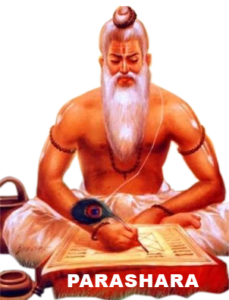
Among these texts, the Vishnu Purana stands out as one of the oldest and most authoritative, famously taught by the sage Parashara, the father of Veda Vyasa. While the exact timelines and figures calculated from these texts are approximate estimations, they irrefutably demonstrate that Bharat (India) possesses a continuous, deep-rooted history that extends far beyond the era of Emperor Yudhishthira.