The Vital Benefits of Reclaiming Our Own History
The Srimad Ramayana and the Mahabharata are not mere myths; they are Itihasa—our lived history. Structurally, the Puranas are defined by five distinct characteristics (Pancha Lakshana): Sarga (primary creation), Pratisarga (dissolution and recreation), Vamsa (genealogies of gods and sages), Vamsanucharita (dynastic histories), and Manvantaras (vast cosmic timelines). While modern minds may struggle to comprehend these immense spans of time, the historical events and lineages recorded within them remain factual realities.
Beyond chronology, these ancient accounts serve as profound moral guides. The Srimad Ramayana, for instance, establishes an eternal behavioral benchmark: one must emulate the righteousness of Sri Rama, not the righteousness-defying path of Ravana. Through these texts, we inherit timeless ethical frameworks as a sacred, multi-century heirloom.
We see this practical application within the texts themselves. In the Mahabharata, before answering deep questions, Dharmaraja Yudhisthira requests Pitamah Bhishma to recount a historical event, using the traditional phrase: “Atrapyudaharatimam-itihasam puratanam” (“Here, they cite this ancient history to resolve the matter”). Thus, the primary purpose of Itihasa is to dispel doubt and provide clarity. Just as a scientist derives truth through laboratory experimentation, a historian resolves contemporary dilemmas by applying the collective, timetested wisdom preserved in our Itihasa.
Living in a modern democracy, we naturally bypass the absolute royal structures of the past that do not align with today’s social order. Instead, we absorb the universal values that blend seamlessly into our daily lives—just like milk and water. By doing so, we can dismantle the deeply ingrained self-doubt left behind by Eurocentric historical narratives. Reclaiming our true national history allows us to move forward with unshakeable courage and confidence. Very few nations possess a legacy of such unbroken longevity. It is only natural that human progress flourishes when rooted in a profound, well-founded pride in one’s ancestry.
This historical validation has immense psychological value. Today, we visit ancient temples, celebrate vibrant festivals, and observe sacred rituals that span from the cradle to the cremation ground. However, a Hindu educated solely under distorted, colonial-era historical frameworks often practices these traditions with a divided mind—conflicted by manufactured narratives, yet unable to abandon their roots. This creates a state of painful mental friction.
A true understanding of our real history removes this psychological burden. When our people realize that their customs have flourished continuously for nearly ten thousand years, it brings profound solace. If faiths that are only 800 or 2,000 years old can practice their traditions with absolute conviction, there is no reason for Hindus to feel defensive about an inheritance that stretches back 9,600 years or more. Rewriting this narrative is the only way to dissolve the negative biases forged by rewritten histories.
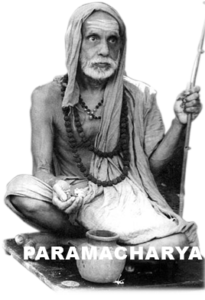
Ultimately, history and faith are deeply intertwined. Faith in the Divine is continuously 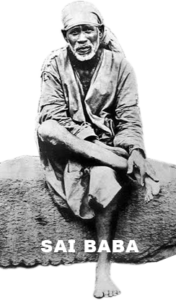 revitalized when we read about the lives of realized masters and “walking gods” like the Kanchi Paramacharya, Shirdi Sai Baba, Bhagavan Sri Sathya Sai Baba, Ramlalji Prabhuji, Mahaprabhuji, and Mahabhavaji. It is further fortified when we remember our glorious cultural ancestors—legendary Telugu poets like Tikkana and Emperor Sri Krishnadevaraya, who communed with the Divine in their dreams, and saints like Potana and Tyagaraja, who perceived the Lord in their waking states. Studying the true history of our ancestors does not just inform the mind; it strengthens our faith and serves as an eternal source of national inspiration.