

Historical Evidence from the Kashmiri Rajatarangini
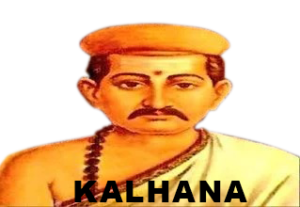 The tradition of documenting and respecting royal dynasties runs incredibly deep in Kashmir. The historical chronology of its rulers is preserved across four distinct volumes of the Rajatarangini (The River of Kings). While the first and most famous volume was composed by the poet Kalhana—the son of Kashmir’s Prime Minister, Champaka—the historical continuum was later extended by successive poet-historians, including Jonaraja, Srivara (Srikara), and Prajnyabhatta. Together, their works bridge the ancient and medieval eras, beginning with King Gonanda I, a contemporary of Sri Krishna, and concluding with the reign of the Mughal Emperor Jalaluddin Muhammad Akbar.
Worship of Lord Vishnu and Lord Shiva (Harihara) was central to Kashmiri life. The sacred nature of the landscape is beautifully captured in the Sanskrit verse:
चक्रभृद्विजयेशादि- केशवेशानभूषिते । तिलमत्स्योऽपि न यत्रास्ति पृथिव्यास्तीर्थैर्बहिष्कृतः ॥
This verse illustrates that in Kashmir, a land adorned by the divine presence of Chakradhari (Vishnu) and Vijayeshana (Shiva), there is not a single patch of land even the size of a sesame seed that is devoid of a holy shrine (teertha). According to tradition, this sacred province (Mandala) was originally constructed by the Vedic sage Kashyapa.
Kalhana’s composition is celebrated for its exquisite poetic beauty. He describes Kashmir as an earthly paradise far surpassing heaven, blessed with abundance: mines of precious gems, flowing saffron fields, pure cold water, and readily available grapes. It was a renowned seat of learning, home to great vidyalayas (universities) under the spiritual grace of Goddess Saradadevi (Saraswati). In this idyllic climate, even the intense summer sun remains gentle, and the local rivers run as sweet as honey, naturally inspiring poets to compose great literature.
The text also highlights the vast geopolitical reach of ancient Indian rulers, as expressed in the verse:
Bhujavana Taruchchayam
yesham nishevya Mahaujasam
Jaladhirasana Medinyasete akuto bhaya
This verses personifies Mother Earth as a queen girdled by the oceans, resting entirely free from fear under the protective shade of the emperors’ mighty, tree-like shoulders. This imagery confirms that ancient sovereigns ruled the entire subcontinent from coast to coast.
Ultimately, the Rajatarangini serves as invaluable evidence that Sanatana Dharma, poetry, and various shastras (sciences) flourished in Kashmir for millennia. While certain fragments of Kashmir’s deep history were lost over time due to periods lacking active chroniclers, these texts provide an unbroken line of historical narrative connecting the age of Sri Krishna directly to the medieval period. Remembering this profound history remains our sacred duty.