In the Konaseema region of the East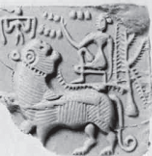 Godavari district in Andhra Pradesh lies the village of Vyaghreswaram. The village derives its name from its presiding deity, Lord Shiva, worshipped here as Vyaghreswara.
According to local tradition, the name originates from a miraculous event that occurred on Maha Shivaratri:
The Search: A devotee entered a dense forest searching for Bilva (wood apple) leaves to offer Lord Shiva during the holy night.
The Vigil: Spotting a tree, he climbed it, only to discover a tiger prowling underneath. Terrified, yet resolved in his faith, he remained perched atop the tree all night, plucking leaves and dropping them continuously while chanting Shiva’s name.
The Discovery: Unbeknownst to the hunter, the dropped leaves fell directly over a spot where the tiger sat motionless. At sunrise, after the tiger wandered away, the man alerted the local villagers.
The Revelation: When the villagers arrived with weapons and removed the mound of Bilva leaves, the tiger was gone; in its place stood a self-manifested Shivalinga.
Deeply moved by this divine occurrence, the villagers built a shrine over the Shivalinga, naming the Lord Vyaghreswara (Lord of the Tiger). Over time, the settlement that grew around the temple came to be known as Vyaghreswaram.
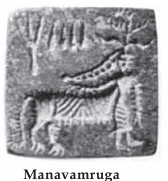
Intriguingly, iconography mirroring this event and related motif designs can be traced back to the artifacts of the Harappan (Indus Valley) Culture, highlighting deep cultural continuity:
The Tree and Tiger Motif: Depictions on Harappan seals show human figures seated on trees above tigers, reflecting early folk traditions around animal veneration and sacred trees.
The Purusha-mruga (Man-Animal): Harappan relics also depict a Manavamruga—a composite, human-headed beast or feminine creature with coiled, twisted hair.
Vedic Correlation: In the Krishna Yajurveda, there is a specific reference to the Purusha-mruga (man-animal) being offered in ritual worship to the Moon God. Outside of this Vedic text and Harappan seals, this iconographic motif is rarely found in ancient world cultures.
These remarkable parallels suggest a strong cultural and spiritual continuum connecting Vedic scriptures, Harappan iconography, and enduring regional temple legends across India.